

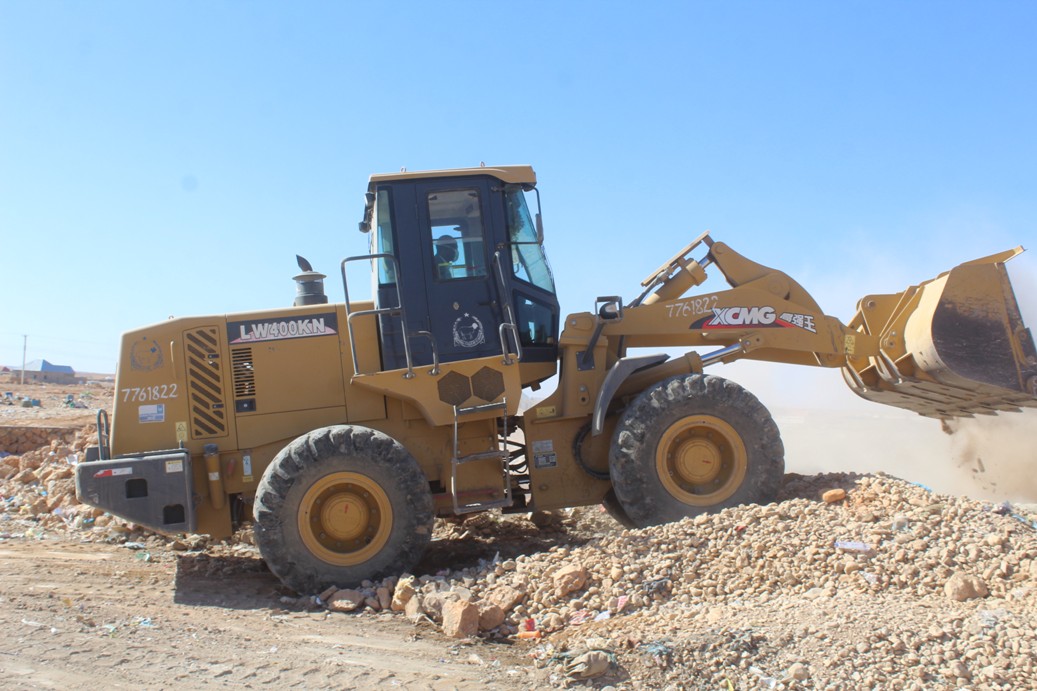
In recent years, Mogadishu has seen an increase in government-led demolitions and displacement of families living in certain parts of the city. In many of these cases, authorities claim the land belongs to the government and that the people occupying it were there illegally or without formal ownership. This has created major debate across Somalia, especially because many families have lived in these areas for years, built homes, and raised generations there. For some, the demolitions are seen as necessary to recover public land, while for others, they represent a painful loss of shelter, property, and stability.
The main reason behind these actions is often tied to urban planning, land recovery, and city redevelopment. Authorities argue that some areas were originally public property meant for roads, schools, hospitals, military zones, or government offices. Over the years, due to weak regulation, civil conflict, and poor land documentation, many of these lands became occupied by displaced families or were sold informally through undocumented transactions. The government says reclaiming such land can help rebuild infrastructure, improve city planning, and restore public assets. In a fast-growing city like Mogadishu, where land value continues to rise, ownership disputes have become more common and more sensitive.
This situation creates both opportunities and threats. On the opportunity side, recovering public land can help create better roads, improve public services, attract investment, and strengthen legal land systems. Clear land governance can also increase trust in Somalia’s property market. However, the threats are serious. Forced displacement can leave families homeless, disrupt education for children, damage livelihoods, and create fear among residents. It also creates uncertainty for buyers, investors, property owners, and property finders who may worry about hidden ownership disputes or sudden government claims over land they believed was legally owned.
For property owners and property finders, this situation sends a clear message: land verification is no longer optional. Before buying, renting, selling, or investing in any property, it is important to understand the full history of the land, verify ownership documents, check legal records, and confirm the status of the property with relevant authorities. Platforms like SomBuyandRent help improve transparency in the real estate market by connecting buyers, sellers, and agents through better property visibility. As Somalia continues rebuilding, balancing development with the rights of citizens will remain one of the biggest challenges in the property sector. The future of real estate in Mogadishu depends on trust, fairness, legal clarity, and proper documentation.
